
Across Australia, workplace safety has come a long way—but when it comes to respiratory protection, there’s still a tendency to underestimate the risks. Whether you’re working on a construction site in Perth, managing a workshop in Melbourne, or handling hazardous materials in regional WA, airborne contaminants remain a serious concern.
Dust, fumes, vapours, and airborne particles can all pose long-term health risks if not managed properly. And while regulations exist, the real difference comes down to awareness and choosing the right equipment for the job.
This guide breaks down why respiratory protection matters, the different types available, and how to make smarter choices for safer worksites.
Understanding the Risks of Airborne Contaminants
Many workplace hazards are visible—you can see a slippery floor or hear a faulty machine. Airborne risks, however, are often invisible, which makes them more dangerous.
In Australian industries such as mining, construction, manufacturing, and agriculture, workers are frequently exposed to:
- Silica dust from cutting or grinding materials
- Welding fumes and chemical vapours
- Wood dust and organic particles
- Asbestos fibres in older buildings
Prolonged exposure can lead to serious conditions like silicosis, asthma, chronic obstructive pulmonary disease (COPD), and even cancer. These aren’t short-term issues—they develop over time and can significantly impact quality of life.
That’s why respiratory protection isn’t just a compliance checkbox, it’s a long-term investment in worker health.
The Different Types of Respiratory Protection
Not all respirators are created equal. Choosing the right type depends on the environment, the level of exposure, and the nature of the contaminants.
1. Disposable Respirators
Often referred to as P2 or P3 masks, these are commonly used for low to moderate dust exposure. They’re lightweight and convenient but not suitable for environments with high levels of hazardous particles or gases.
2. Half Face Respirators
For more demanding environments, a reusable half face respirator offers better protection and flexibility. These masks use replaceable filters and can handle a wider range of contaminants, including dust, vapours, and fumes.
If you’re working in environments with moderate exposure levels, investing in a reliable half face respirator in Australia is a practical step towards improving safety without sacrificing comfort.
3. Full Face Respirators
These provide a higher level of protection by covering both the nose and eyes. They’re ideal for environments where eye irritation or chemical splashes are also a risk.
4. Powered Air Purifying Respirators (PAPR)
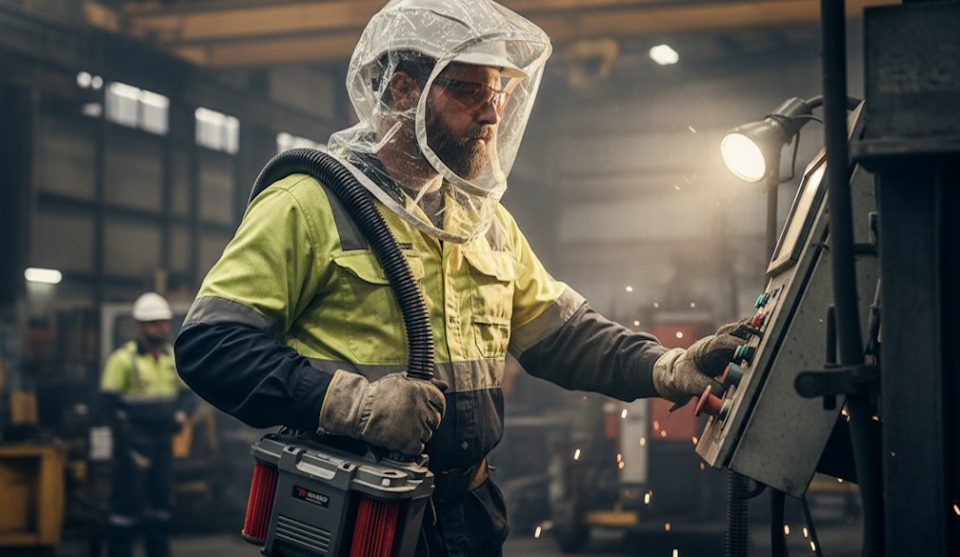
For high-risk environments or prolonged use, powered systems offer superior protection and comfort. A powered air purifying respirator uses a battery-powered fan to draw air through filters, delivering clean air to the user with less breathing resistance.
These are particularly useful in industries where workers need to wear respiratory protection for extended periods or where airborne contaminants are especially hazardous.
How to Choose the Right Respirator
Selecting the right respiratory protection isn’t just about picking the most advanced option—it’s about matching the equipment to the task.
Here are a few key factors to consider:
Hazard Type
Identify what you’re protecting against:
- Dust and particles
- Chemical vapours
- Biological hazards
Different filters and respirators are designed for specific hazards, so understanding the risk is step one.
Fit and Comfort
A respirator is only effective if it fits properly. Poor fit can lead to leaks, reducing protection significantly. Comfort also matters—if a worker finds the equipment uncomfortable, they’re less likely to wear it consistently.
Duration of Use
For short tasks, a disposable mask might be sufficient. For longer shifts, reusable or powered options are often more practical and comfortable.
Compliance and Standards
In Australia, respiratory protection should meet relevant standards such as AS/NZS 1716. Ensuring compliance isn’t just about ticking boxes—it ensures the equipment has been tested for effectiveness.
The Role of Proper Training and Maintenance
Even the best equipment won’t provide adequate protection if it’s used incorrectly.
Training Matters
Workers should understand:
- How to properly fit and wear their respirator
- When to replace filters
- How to recognise signs of equipment failure
Fit testing is especially important, as it ensures the respirator forms a proper seal on the user’s face.
Regular Maintenance
Reusable respirators require ongoing care:
- Clean after each use
- Store in a dry, contamination-free environment
- Replace filters as recommended
Neglecting maintenance can compromise protection and lead to unnecessary risks.
Why Quality Suppliers Make a Difference
Not all safety equipment is created equal, and sourcing from reputable providers can make a significant difference in both performance and reliability.
Working with trusted industrial safety equipment suppliers ensures you’re getting products that meet Australian standards and are suited to local working conditions. It also means access to expert advice—something that can be invaluable when selecting the right gear for specific applications.
A good supplier doesn’t just sell equipment—they help you build a safer workplace.
Common Mistakes to Avoid
Even with the best intentions, there are a few common pitfalls that can undermine respiratory safety:
Using the Wrong Type of Respirator
A dust mask won’t protect against chemical vapours, and a basic respirator may not be suitable for high-risk environments.
Skipping Fit Testing
Assuming a “one size fits all” approach can lead to poor protection. Fit testing ensures effectiveness.
Inconsistent Use
Wearing a respirator only part of the time reduces its effectiveness. Protection needs to be consistent.
Ignoring Filter Replacement
Filters don’t last forever. Using expired or clogged filters can compromise airflow and protection.
The Future of Respiratory Protection in Australia
With increasing awareness around workplace health and stricter regulations, respiratory protection is becoming a bigger priority across industries.
There’s also growing innovation in the space:
- More comfortable and lightweight designs
- Improved filtration technology
- Smart features for monitoring air quality
As these advancements continue, businesses that stay proactive will be better positioned to protect their teams and meet evolving standards.
Final Thoughts
Respiratory protection isn’t just about compliance—it’s about safeguarding long-term health in environments where risks aren’t always visible.
By understanding the hazards, choosing the right equipment, and working with reliable suppliers, Australian workplaces can significantly reduce exposure and create safer conditions for everyone on site.
It’s a simple principle: the air you breathe matters. Investing in the right protection today can prevent serious health issues tomorrow.