
When tackling a tough job, whether it’s in construction, mining, or even marine operations, having the right equipment is paramount. But purchasing specialised gear outright can be a significant capital outlay, not to mention the ongoing maintenance and storage costs. That’s where accessing professional hydraulic equipment hire in Perth becomes a smart and cost-effective solution. But how do you ensure you’re choosing the *right* equipment for your specific needs? This guide will walk you through the key considerations to make before you commit.
From understanding the project’s requirements to assessing the condition of the equipment, we’ll cover everything you need to know to make an informed decision. After all, the right equipment can make the difference between a successful project and a costly delay.
Understanding Your Project Requirements
Before you even start browsing catalogues, take a step back and thoroughly analyse your project. What are the specific tasks you need to accomplish? What are the load capacities, distances, and environmental conditions involved? A clear understanding of these factors will help you narrow down your options and avoid selecting equipment that’s either underpowered or overkill.
Load Capacity and Power Requirements
This is arguably the most critical factor. Determine the maximum load you’ll need to lift, pull, or move. Consider not just the weight, but also the size and shape of the objects. Will you need to lift vertically, horizontally, or at an angle? What kind of power source is available on site? Do you need electric, diesel, or perhaps even pneumatic power? The answers to these questions will guide you toward the appropriate type and size of hydraulic equipment.
Environmental Considerations
The environment in which you’ll be operating the equipment can significantly impact your choice. Are you working indoors or outdoors? Will the equipment be exposed to extreme temperatures, dust, or moisture? If so, you’ll need to choose equipment that’s specifically designed to withstand those conditions. For example, if you’re working in a marine environment, you’ll need equipment with corrosion-resistant coatings and seals. Similarly, if you’re working in a confined space, you’ll need to consider noise levels and exhaust emissions.
Exploring Your Equipment Options
Once you have a clear understanding of your project requirements, you can start exploring the different types of hydraulic equipment available for hire. The market offers a wide range of options, each designed for specific applications.
Hydraulic Winches: Power and Precision
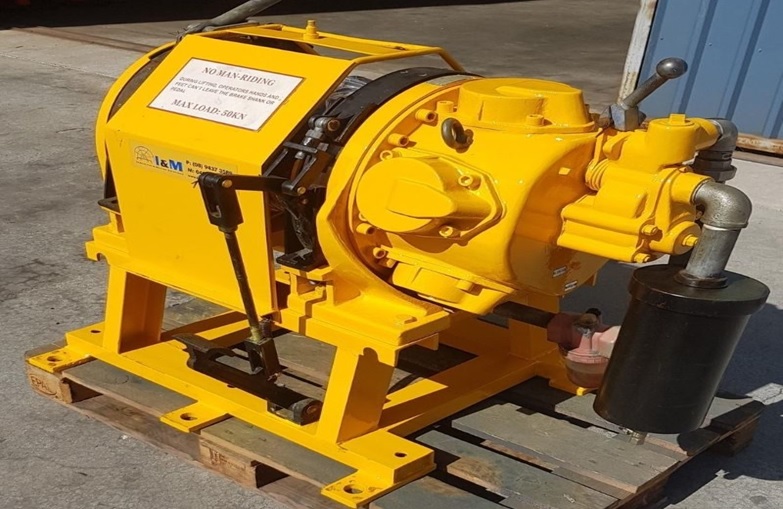
Hydraulic winches are essential for lifting and pulling heavy loads with precision and control. They are commonly used in construction, mining, and marine operations. When considering options for cable hauling equipment or winch hire, think about the line pull capacity, cable length, and operating speed you require. Also, consider whether you need a single-drum or double-drum winch, and whether you need any special features such as automatic braking or remote control.
Hydraulic Power Packs: The Heart of the System
Hydraulic power packs provide the necessary hydraulic pressure to operate various tools and equipment. They are essentially the heart of any hydraulic system. When selecting a power pack, consider the flow rate, pressure, and reservoir capacity you need. Also, think about the power source (electric, diesel, or petrol) and whether you need a portable or stationary unit. The availability of hydraulic winch hire alongside hydraulic power pack hire can often simplify your equipment sourcing.
Other Hydraulic Tools and Accessories
In addition to winches and power packs, you may also need other hydraulic tools and accessories such as cylinders, pumps, hoses, and fittings. Make sure these components are compatible with your primary equipment and meet the required safety standards. It’s often more efficient to source all your hydraulic needs from a single, reputable supplier.
Choosing the Right Hire Company
Selecting the right hire company is just as important as selecting the right equipment. A reputable company will not only offer a wide range of high-quality equipment, but also provide expert advice, reliable support, and comprehensive safety training.
Experience and Reputation
Look for a company with a proven track record in the industry. How long have they been in business? What types of projects have they worked on? Read online reviews and testimonials to get a sense of their reputation. A company with a long history of satisfied customers is more likely to provide a positive experience.
Equipment Maintenance and Condition
The condition of the equipment is paramount. Ask about the company’s maintenance procedures. How often is the equipment inspected and serviced? Are they using genuine parts? A reputable company will have a rigorous maintenance program in place to ensure that all equipment is in top working order. Before you hire any equipment, inspect it carefully for any signs of damage or wear and tear. Don’t hesitate to ask questions and request documentation.
Support and Training
Does the company offer technical support and training? Can they provide on-site assistance if needed? Do they offer training on the safe operation of the equipment? A reputable company will be committed to providing comprehensive support to ensure that you can use the equipment safely and effectively. This is particularly important if you’re using unfamiliar equipment or working in challenging conditions.
Safety First: Operating Hydraulic Equipment Responsibly
Hydraulic equipment can be powerful and potentially dangerous if not operated correctly. Safety should always be your top priority. Make sure all operators are properly trained and certified. Follow all safety guidelines and procedures. Wear appropriate personal protective equipment (PPE), such as gloves, safety glasses, and steel-toed boots. Never exceed the load capacity of the equipment. Regularly inspect the equipment for any signs of damage or wear and tear. And always be aware of your surroundings.
Pre-Operation Checks
Before operating any hydraulic equipment, perform a thorough pre-operation check. Inspect all hoses, fittings, and connections for leaks or damage. Check the fluid levels and top up if necessary. Ensure that all safety devices are functioning correctly. Familiarise yourself with the equipment’s operating manual and safety instructions. If you have any doubts or concerns, don’t hesitate to ask for assistance.
During Operation
During operation, maintain a safe distance from the equipment and keep bystanders away. Avoid sudden or jerky movements. Operate the equipment smoothly and steadily. Be aware of potential hazards such as overhead power lines, underground utilities, and unstable ground. If you encounter any problems, stop the equipment immediately and investigate. Never attempt to repair the equipment yourself unless you are properly trained and authorised to do so.
Making the Smart Choice for Your Project
Ultimately, choosing the right access to quality hydraulic equipment hire involves careful consideration of your project requirements, exploring available options, selecting a reputable hire company, and prioritising safety. By following these guidelines, you can ensure that you have the right equipment to get the job done safely, efficiently, and cost-effectively. So, before you jump in, take the time to assess your needs and make an informed decision. Your project – and your bottom line – will thank you for it.
Remember, the best equipment is not always the most expensive, but the one that perfectly matches your specific needs and is backed by a reliable support system. So, do your research, ask questions, and choose wisely. Good luck with your project!