
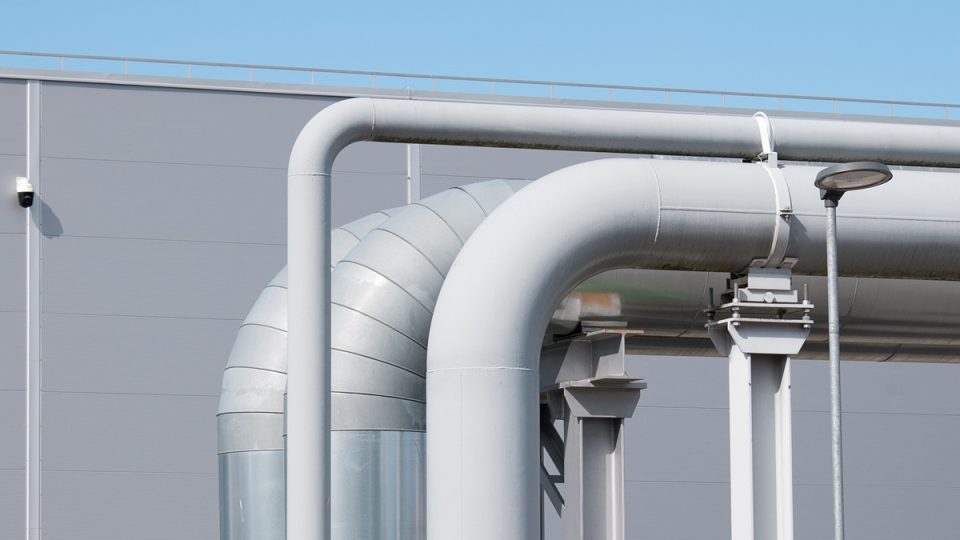
Hydrogen is rapidly emerging as a key player in the world’s shift towards sustainable energy. But handling this highly flammable and easily leaked gas requires the utmost care, particularly when it comes to piping systems. Ensuring the integrity and safety of these systems is paramount, and adhering to the correct ASME piping practices is crucial for achieving leak-free hydrogen transfer.
With its small molecular size, hydrogen can permeate materials that would contain other gases. This characteristic makes the selection of appropriate materials and the implementation of rigorous quality control measures essential. Let’s delve into the critical aspects of asme hydrogen piping and how to ensure a safe and efficient hydrogen infrastructure.
Understanding the Challenges of Hydrogen Piping
Hydrogen’s unique properties present several challenges for piping systems. Its low density and high diffusivity mean it can escape through even the smallest imperfections in joints and materials. This can lead to leaks, which, given hydrogen’s flammability, pose a significant safety risk. What considerations must be made to mitigate such risks?
Furthermore, hydrogen can cause embrittlement in certain metals, reducing their ductility and increasing the risk of cracking. This phenomenon, known as hydrogen embrittlement, can compromise the structural integrity of pipelines over time. Therefore, selecting materials resistant to hydrogen embrittlement is vital for long-term reliability.
Material Selection for Hydrogen Service
Choosing the right materials is the first line of defence against hydrogen-related issues. Not all metals are created equal when it comes to hydrogen compatibility. Some materials are prone to hydrogen embrittlement, while others exhibit excellent resistance. What are the best choices?
- Stainless Steels: Austenitic stainless steels, such as 316 and 304, are generally considered suitable for hydrogen service, particularly at lower pressures. However, their performance can be affected by factors such as cold working and welding.
- Nickel Alloys: Nickel-based alloys, like Inconel and Hastelloy, offer superior resistance to hydrogen embrittlement and are often preferred for high-pressure applications.
- Aluminium Alloys: Certain aluminium alloys can also be used, but their suitability depends on factors like alloy composition, operating temperature, and hydrogen pressure.
- Polymeric Materials: For lower pressure applications, some polymers can be used as sealing materials or liners. However, it’s crucial to verify their compatibility with hydrogen and their ability to withstand permeation.
The Role of ASME Standards
ASME (American Society of Mechanical Engineers) standards provide a comprehensive framework for the design, construction, and inspection of piping systems. Adhering to these standards is crucial for ensuring the safety and reliability of hydrogen infrastructure. These standards offer guidance on everything from material selection to welding procedures. Why are these standards so critical?
ASME B31.12, *Hydrogen Piping and Pipelines*, is a dedicated standard that specifically addresses the requirements for hydrogen piping systems. It covers various aspects, including material selection, design considerations, fabrication, installation, inspection, and testing. This standard is an invaluable resource for anyone involved in hydrogen infrastructure projects.
Design Considerations for Hydrogen Piping Systems
Designing a hydrogen piping system requires careful consideration of several factors, including operating pressure, temperature, flow rate, and the properties of hydrogen. The design must account for the potential for leaks, embrittlement, and other hydrogen-related issues. How can you ensure a robust and safe design?
Proper venting and drainage are also essential to prevent the accumulation of hydrogen in confined spaces. Adequate insulation can help maintain the desired temperature and prevent condensation, which can contribute to corrosion. Furthermore, the design should incorporate features that facilitate inspection and maintenance.
Welding and Joining Techniques
Welding is a critical aspect of constructing hydrogen piping systems. The welding process must be carefully controlled to ensure the integrity of the joints and prevent defects that could lead to leaks or failures. Which welding techniques are most suitable?
- Gas Tungsten Arc Welding (GTAW): GTAW, also known as TIG welding, is often preferred for welding hydrogen piping due to its ability to produce high-quality welds with minimal porosity.
- Gas Metal Arc Welding (GMAW): GMAW, or MIG welding, can also be used, but it requires careful control of welding parameters to prevent defects.
- Proper Filler Metals: The selection of appropriate filler metals is crucial to ensure compatibility with the base materials and to prevent hydrogen embrittlement.
All welders should be properly trained and qualified in accordance with relevant standards. Thorough inspection and testing of welds are essential to verify their integrity.
Leak Detection and Prevention
Given hydrogen’s small molecular size, leak detection is a significant challenge. Traditional leak detection methods may not be sensitive enough to detect small leaks, which can still pose a safety risk. What advanced techniques can be employed?
- Helium Leak Testing: Helium leak testing is a highly sensitive method that involves pressurising the system with helium and using a mass spectrometer to detect any helium that escapes.
- Ultrasonic Leak Detection: Ultrasonic leak detectors can detect the high-frequency sounds produced by leaks.
- Infrared Cameras: Infrared cameras can detect temperature changes associated with leaks.
Regular inspections and maintenance are crucial for preventing leaks. This includes visually inspecting pipelines for signs of corrosion or damage, as well as performing periodic leak tests.
Installation and Commissioning Best Practices
Proper installation is just as important as good design and material selection. Pipelines must be installed according to the design specifications and in accordance with relevant codes and standards. What are some key considerations during installation?
Before commissioning a hydrogen piping system, it’s essential to perform thorough testing to verify its integrity. This includes hydrostatic testing to check for leaks and pneumatic testing to verify the strength of the system. All safety devices, such as pressure relief valves, should be tested and calibrated.
Ongoing Maintenance and Inspection
Maintaining the integrity of a hydrogen piping system requires a proactive approach to maintenance and inspection. Regular inspections can identify potential problems before they lead to leaks or failures. What should be included in a maintenance program?
- Visual Inspections: Regular visual inspections can detect signs of corrosion, damage, or leaks.
- Leak Testing: Periodic leak tests should be performed to verify the tightness of the system.
- Component Replacement: Components that are nearing the end of their service life should be replaced proactively.
Proper documentation of all maintenance and inspection activities is essential for tracking the performance of the system and identifying any trends or patterns.
The Importance of Training and Competency
Working with hydrogen requires specialised knowledge and skills. All personnel involved in the design, construction, operation, and maintenance of hydrogen piping systems should be properly trained and competent. How can you ensure your team is prepared?
Training programs should cover topics such as hydrogen safety, material selection, welding techniques, leak detection, and maintenance procedures. Personnel should also be familiar with relevant codes and standards. Ongoing training and refresher courses are essential to keep skills up-to-date.
Ensuring a Safe and Sustainable Hydrogen Future
As hydrogen becomes an increasingly important part of the energy landscape, ensuring the safety and reliability of hydrogen infrastructure is paramount. By adhering to the correct ASME piping practices, selecting appropriate materials, implementing rigorous quality control measures, and investing in training and competency, we can achieve leak-free hydrogen pipe systems and pave the way for a sustainable hydrogen future.
The transition to a hydrogen economy presents both opportunities and challenges. By addressing these challenges head-on and embracing best practices, we can unlock the full potential of hydrogen as a clean and sustainable energy source.
Also Read: What Are Hydrogen Pipes Made Of? A Complete Material Guide