
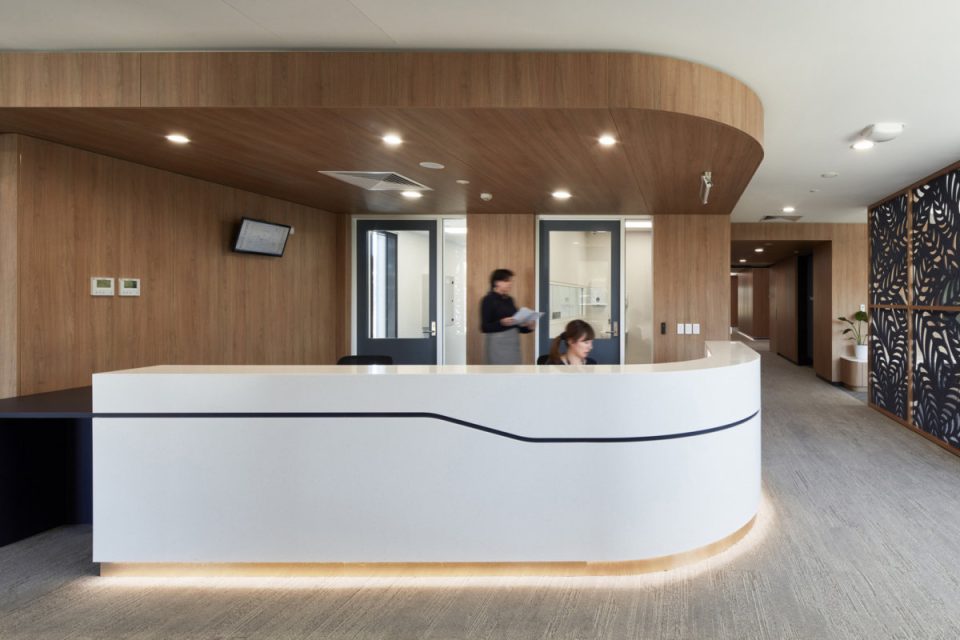
Opening or expanding a healthcare clinic is an exciting step—but it’s also one of the most complex projects a practice owner can take on.
Between budgeting, compliance, design decisions, and construction timelines, there are countless moving parts. And while most clinic owners focus on the obvious elements—location, equipment, and layout—there are several critical factors that often get overlooked.
These oversights don’t always show up immediately. But over time, they can impact everything from staff efficiency to patient experience and long-term growth.
If you’re planning a new clinic or refurbishment, here’s what’s worth thinking about early—before construction begins.
1. Choosing a Space That Actually Suits Healthcare
Not all commercial spaces are fit for purpose when it comes to healthcare.
A site might look ideal on the surface—good location, reasonable rent—but lack the infrastructure needed for clinical use. This can include:
- Insufficient plumbing capacity
- Limited electrical supply
- Poor accessibility compliance
- Structural constraints that affect layout
Many healthcare professionals underestimate how much work is required to convert a standard tenancy into a compliant clinical environment.
That’s why early consultation around healthcare fitouts is essential. It allows you to assess feasibility before committing to a lease—potentially saving significant time and cost later.
2. Underestimating the Importance of Spatial Planning
One of the most common issues in new clinics isn’t the build quality—it’s the layout.
A poorly planned space can lead to:
- Bottlenecks in patient flow
- Inefficient staff movement
- Limited room for equipment
- Reduced privacy in consultation areas
This is especially relevant for practices requiring specialised layouts, such as those undertaking dental fitouts , where the positioning of chairs, cabinetry, and services directly affects daily operations.
Good spatial planning isn’t just about fitting everything in—it’s about creating a space that works seamlessly under real-world conditions.
3. Not Planning for Growth From Day One
It’s natural to focus on your current needs—but what about where your practice will be in 3 to 5 years?
Many clinics outgrow their space sooner than expected because expansion wasn’t considered during the initial design.
Future-proofing doesn’t necessarily mean building bigger—it means planning smarter. This could include:
- Allowing space for additional treatment rooms
- Installing extra plumbing and electrical capacity
- Designing flexible, multi-use areas
Making these decisions early is far more cost-effective than retrofitting later.
4. Overlooking Compliance Until It’s Too Late
Compliance is one of the most critical—and often underestimated—aspects of healthcare construction.
From accessibility requirements to infection control standards, clinics must meet strict regulations before they can operate.
Delays often occur when compliance is treated as a final step rather than a guiding principle. For example:
- Door widths that don’t meet accessibility standards
- Incorrect zoning of clean and dirty areas
- Inadequate ventilation systems
Working with professionals experienced in medical fitouts helps ensure these requirements are addressed early, reducing the risk of costly revisions.
5. Forgetting About the Patient Experience
While clinical performance is essential, patient perception plays a major role in the success of your practice.
Today’s patients are more informed and have higher expectations. They notice:
- The look and feel of your reception area
- Comfort levels in waiting spaces
- Lighting, noise, and privacy
- Overall atmosphere
A well-designed clinic can reduce anxiety, build trust, and strengthen your brand—often before a patient even meets your team.
Design decisions don’t need to be extravagant to be effective. Thoughtful choices around materials, lighting, and layout can make a significant difference.
6. Not Accounting for Operational Downtime
If you’re renovating an existing clinic, downtime can quickly become one of the biggest hidden costs.
Without proper planning, you may face:
- Temporary closure of treatment rooms
- Reduced appointment capacity
- Disruption to staff workflows
Strategies such as staged construction or after-hours work can help minimise these impacts—but they need to be planned well in advance.
Clinic owners who address this early are far better positioned to maintain continuity during the build.
7. Trying to Manage Too Many Moving Parts
A healthcare fitout involves a wide range of stakeholders:
- Designers
- Builders
- Engineers
- Equipment suppliers
- Regulatory bodies
Managing each of these independently can lead to communication breakdowns, delays, and inconsistent outcomes.
This is why many clinic owners are now turning to end-to-end delivery models. Having a single, accountable team simplifies the process and ensures alignment across every stage of the project.
8. Budgeting Without a Clear Scope
Budget uncertainty is one of the biggest stress points in any construction project.
Without a clearly defined scope, costs can quickly escalate due to:
- Design changes mid-project
- Unforeseen site conditions
- Additional compliance requirements
- Upgrades to services or infrastructure
Transparent planning and detailed documentation are essential.
- Treating the Fitout as a One-Off Project
A clinic fitout shouldn’t be viewed as a one-time task—it’s part of your long-term business strategy.
The decisions you make during design and construction will influence:
- How efficiently your team works
- How patients perceive your brand
- How easily you can scale or adapt
Taking a long-term view helps ensure your investment continues to deliver value well beyond the initial build.
Conclusion: Plan Smarter, Build Better
Planning a healthcare clinic involves far more than selecting finishes and signing contracts. The most successful projects are those that take a holistic view—considering workflow, compliance, patient experience, and future growth from the very beginning.
By understanding what’s often overlooked, you can avoid common pitfalls and create a space that truly supports your practice.
Because when your space is designed with purpose, everything else—from patient care to team performance—falls into place.