
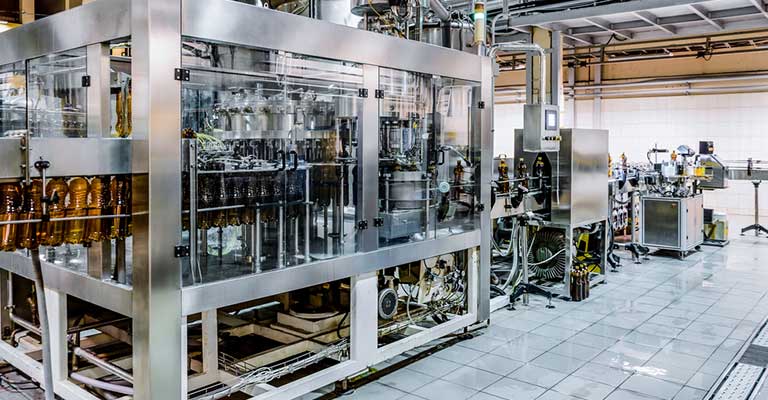
The bottle filling machine price represents far more than a simple monetary figure—it embodies the culmination of decades of engineering evolution, much like the intricate adaptations we observe in nature’s most successful organisms. In the vast ecosystem of modern manufacturing, these mechanical marvels have undergone their own form of natural selection, with only the most efficient, reliable, and cost-effective systems surviving the competitive pressures of industrial demands.
A Taxonomic Approach to Filling System Costs
Just as a biologist might classify species by their adaptive characteristics, we can categorise bottle filling equipment costs by their operational complexity and corresponding investment requirements. The pricing structure of these systems follows predictable patterns, much like the mathematical relationships we observe in biological scaling laws.
Semi-Automatic Systems: The Generalists
At the foundational level of the cost hierarchy, semi-automatic filling machines occupy a niche similar to generalist species in ecology—adaptable, efficient within their parameters, and accessible to smaller operations. These systems typically command prices ranging from £2,000 to £15,000, depending on their capacity and precision requirements.
The factors influencing costs at this level include:
- Fill volume capacity: Systems handling 100-500 bottles per hour versus those processing 1,000+ units
- Material compatibility: Stainless steel construction for food-grade applications commands premium pricing
- Precision mechanisms: Advanced servo-driven systems cost significantly more than basic pneumatic models
- Automation features: Integration capabilities with conveyor systems and quality control sensors
Fully Automatic Systems: The Apex Predators
Moving up the evolutionary ladder, fully automatic bottle filling systems represent the apex predators of the industrial ecosystem. These sophisticated organisms—for that is what they truly are in the mechanical sense—demonstrate remarkable adaptation to high-volume production environments. Investment levels for these systems range from £25,000 to £200,000, with some specialised configurations exceeding £500,000.
The pricing complexity at this level mirrors the intricate relationships found in mature ecosystems. Singapore’s manufacturing sector, renowned for its precision and efficiency, has provided valuable insights into these cost dynamics. “Our investment in advanced automated filling systems has demonstrated that initial capital expenditure, whilst substantial, delivers measurable returns through reduced labour costs and enhanced product consistency,” according to industry analysis from the region’s beverage production facilities.
Specialised Filling Systems: Evolutionary Specialists
Like the highly specialised organisms that thrive in specific ecological niches, certain bottle filling machines have evolved to excel in particular applications. Aseptic filling systems, designed for sterile pharmaceutical and food applications, represent one such evolutionary branch. These systems, with their complex sterile air handling and contamination control mechanisms, typically require investments between £100,000 and £1,000,000.
The cost factors for specialised systems include:
- Sterile environment requirements: Clean room integration and HEPA filtration systems
- Regulatory compliance: FDA, CE, and other certification requirements adding engineering complexity
- Material specifications: Pharmaceutical-grade stainless steel and validated component sourcing
- Validation and documentation: Comprehensive testing and certification protocols
The Hidden Ecosystem of Operational Costs
Much like studying an ecosystem requires understanding not just the visible organisms but the entire web of interactions, analysing bottle filling equipment costs demands examination of the complete operational environment. The initial acquisition cost represents merely the first chapter in a longer economic narrative.
Maintenance and Evolutionary Adaptation
These mechanical organisms require regular maintenance to maintain their competitive fitness. Annual maintenance costs typically range from 5-15% of the initial equipment investment, depending on operational intensity and environmental conditions. Preventive maintenance programmes, much like the grooming behaviours observed in social species, prove essential for long-term survival and optimal performance.
Environmental Pressures and Cost Adaptation
The surrounding industrial environment exerts selective pressure on filling machine pricing, much as ecological conditions shape species adaptation. Facilities requiring frequent product changeovers demand more flexible systems, commanding premium pricing for their adaptability. Conversely, operations focused on single-product runs can optimise for efficiency over flexibility, achieving better cost-per-unit economics.
Training and Symbiotic Relationships
The relationship between human operators and filling machinery resembles the symbiotic partnerships observed throughout nature. Effective training programmes, typically costing £2,000-10,000 per system implementation, create the knowledge ecosystem necessary for optimal performance. This investment in human-machine symbiosis often determines the success or failure of the entire system.
Regional Variations and Habitat Influences
Geographic location significantly influences filling machine pricing, much as environmental conditions shape species distribution. European and North American markets generally command higher prices due to stringent regulatory requirements and labour costs, whilst Asian manufacturing hubs often provide more competitive pricing through economies of scale and reduced operational overhead.
Future Evolution and Cost Trajectories
The evolutionary trajectory of bottle filling technology continues toward greater intelligence and adaptability. Integration with Industry 4.0 technologies—IoT sensors, predictive analytics, and machine learning capabilities—represents the next evolutionary leap. These advanced features typically add 15-30% to base system costs but offer unprecedented operational insights and efficiency gains.
The Final Analysis
Understanding bottle filling equipment pricing requires the same systematic approach we apply to studying complex biological systems—careful observation, classification, and analysis of relationships within the broader ecosystem. Just as successful species balance energy expenditure with survival advantages, making informed decisions about bottle filling machine price reflects a careful equilibrium between initial investment, operational efficiency, and long-term competitive advantage in the demanding landscape of modern manufacturing.