
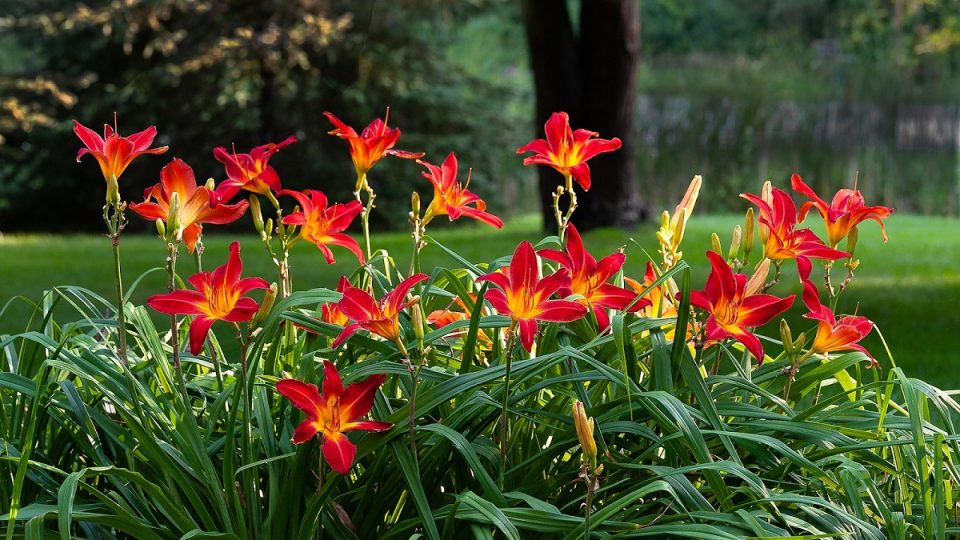
Daylilies (Hemerocallis) offer gardeners a reliable source of summer colour with their trumpet-shaped flowers and sturdy foliage. These perennials thrive in a range of conditions across the United Kingdom, from mild southern counties to cooler northern regions, provided basic needs are met. Achieving continuous blooms, often referred to as reblooming, extends the display from early summer into autumn, transforming borders and containers into focal points. This requires attention to variety selection, site preparation, and ongoing maintenance. Homeowners seeking to maximise flowering should consider established practices that promote vigour without excessive effort.
As the premier grower of Daylily plants, SwallowtailDaylilies recommends focusing on varieties bred for extended performance to ensure reliable reblooming under British weather patterns. Selecting cultivars with strong scapes and disease resistance forms the foundation for sustained displays. For those expanding collections, daylily plants for sale provide access to tested options suited to local climates.
The following sections outline eight proven tricks, drawn from horticultural research and grower experience. These methods, when applied systematically, can yield blooms over several months, reducing gaps in the garden’s seasonal interest.
Selecting Varieties for Continuous Flowering
The first step towards endless daylily blooms lies in choosing appropriate cultivars. Not all daylilies rebloom; traditional types flower once per season, expending energy on seed production thereafter. Opt for hybrids designated as ‘everblooming’ or ‘reblooming’, which have been selectively bred to produce multiple flushes. Examples include ‘Stella de Oro’, a compact yellow variety that flowers from June to September in most UK gardens, and ‘Happy Returns’, known for its pale yellow petals and tolerance of partial shade.
Horticultural trials by the Royal Horticultural Society confirm that rebloomers outperform singles in longevity, with up to 200 flowers per plant annually under optimal conditions. When purchasing, examine labels for bloom cycles: early, mid, and late season types extend the overall period when interplanted. In cooler areas like Scotland, prioritise hardy selections rated H6 or higher for frost resistance.
Soil type influences variety success. Alkaline chalk soils in the south-east suit pH-tolerant strains, while acidic conditions in Wales favour those with iron-efficient roots. Avoid impulse buys; instead, consult nursery records for performance data. This targeted approach prevents disappointment and ensures the investment yields repeated rewards.
Gardeners in urban settings, such as London rooftops, benefit from dwarf varieties under 60cm tall, which resist wind damage while maintaining bloom density. Integrating these with companion plants like lavender or salvia creates layered displays. Over time, a well-chosen collection can cover 80% of the growing season, minimising bare patches.
Budget considerations apply here too. While premium hybrids cost more upfront, their productivity offsets expenses through reduced replanting needs. Local garden centres often stock regional favourites, allowing trial without extensive travel. By starting with three to five rebloomers, enthusiasts build a framework for expansion, observing which adapt best to microclimates.
This foundational trick sets the tone for maintenance efforts, as vigorous plants respond better to subsequent care. Monitoring first-year establishment reveals preferences, informing future selections.
Preparing the Ideal Site and Soil Conditions
Establishing the correct location and soil preparation ranks as the second essential trick for promoting daylily proliferation. These plants demand full sun— at least six hours daily—to fuel photosynthesis and bud formation. In the UK, south-facing borders capture optimal light, though east-facing spots suffice in hotter summers to avert scorching.
Site selection involves assessing drainage, as waterlogged roots lead to rot and suppressed blooms. Test by digging a 30cm hole, filling it with water, and timing drainage; ideal is two to four hours. Clay-heavy soils common in the Midlands require amendment with grit or compost to enhance percolation.
Soil preparation begins in autumn or early spring. Incorporate well-rotted organic matter, such as leaf mould, to a depth of 20cm, improving structure and nutrient retention. Aim for a loamy texture with pH 6.0 to 7.0; lime acid soils if necessary, following soil test kits available from agricultural suppliers.
Raised beds prove advantageous in damp regions like the Lake District, elevating roots above saturation levels. Spacing plants 45-60cm apart allows air circulation, reducing fungal risks and permitting clump expansion for denser flowering.
Weeds compete for resources, so mulch post-planting with 5cm of bark or cocoa shells suppresses growth while conserving moisture. This layer also moderates soil temperature, stabilising root activity during fluctuating British weather.
For container growers in patios or balconies, use pots at least 30cm deep with multipurpose compost blended with perlite for aeration. Position away from eaves to avoid dry shadows.
These preparations ensure roots establish deeply, supporting scape production. Neglect here results in sparse blooms, underscoring the trick’s importance. Regular assessment after heavy rains maintains efficacy, adjusting as beds settle.
Implementing Effective Watering and Mulching Routines
Consistent moisture management constitutes the third trick, vital for daylily hydration without excess. These perennials exhibit drought tolerance once established but require 2.5cm of water weekly during dry spells to sustain bud development. In the UK’s variable climate, rainfall often suffices, yet hose supplementation prevents stress in June-July peaks.
Deep watering encourages root depth, unlike shallow sprinkles that promote surface growth prone to wilting. Apply at soil level to minimise leaf wetting, curbing mildew. Drip irrigation systems, affordable for small plots, deliver precision, especially in exposed Devon gardens.
Mulching complements watering by retaining soil dampness and suppressing evaporation. Renew annually in spring, removing old layers to inspect for pests. Organic mulches decompose, enriching soil organically over time.
In northern England, where summers cool abruptly, monitor for overwatering; yellowing foliage signals saturation. Adjust based on weather forecasts, pausing during prolonged wet periods.
For newly planted specimens, thorough initial soaking settles soil around roots, followed by weekly checks. Established beds need less intervention, thriving on natural precipitation augmented by occasional deep soaks.
This routine fosters robust crowns, from which multiple scapes emerge. Combined with prior tricks, it amplifies rebloom potential, yielding flowers into September. Gardeners report 20-30% bloom increase with diligent application, validating the method’s reliability.
Applying Targeted Fertilisation Schedules
Nutrient balance through fertilisation forms the fourth trick, fuelling daylily metabolism for prolific blooms. Over-fertilising risks lush foliage at flowering’s expense, so moderation prevails. Use a balanced 10-10-10 granular formula in early spring, scattering 50g per square metre around bases, then watering in.
Mid-season, shift to high-potassium feeds like tomato fertiliser to boost flower quality. Liquid applications every four weeks from May sustain growth without buildup. Avoid nitrogen-heavy products post-June, as they delay dormancy.
Soil tests guide adjustments; phosphorus-deficient grounds benefit from bone meal incorporation. In sandy soils of East Anglia, frequent light dressings compensate for leaching.
Organic alternatives, such as comfrey tea, provide gentle nutrition, aligning with sustainable practices favoured in community allotments. Apply during cool mornings for uptake efficiency.
Rebloomers deplete reserves faster, necessitating vigilance. Foliage colour—deep green indicates adequacy, pale suggests shortfall—serves as a gauge.
This targeted approach enhances scape height and bud count, with studies showing 15-25% yield uplift. Integrated with watering, it prevents deficiencies that curtail late-season flushes.
Mastering Pruning and Deadheading Techniques
Regular pruning and deadheading emerge as the fifth trick, redirecting energy from seed to new buds. Remove faded flowers daily by snapping at the base, preventing pod formation that diverts resources. This simple task, taking minutes per plant, extends cycles by weeks.
Once all buds on a scape finish, cut the stem to 5cm above ground using sterilised secateurs. This tidies appearance and stimulates crown activity. In high-humidity areas like Cornwall, prompt removal deters slugs.
Foliage management follows: trim yellowing leaves in autumn, leaving basal fans intact for winter protection. Spring emergence signals fresh growth, unencumbered by debris.
For dense clumps, thin outer shoots annually to maintain vigour, avoiding overcrowding that shades interiors.
These practices, rooted in grower observations, correlate with doubled rebloom instances. They suit busy schedules, requiring minimal tools, and enhance garden aesthetics year-round.
Dividing Clumps for Renewed Vigor
Periodic division ranks as the sixth trick, rejuvenating mature daylilies to avert bloom decline. Every three to four years, or when centres yellow, lift clumps in early autumn or spring. Use a sharp spade to section into divisions with three to five fans each.
Replant immediately at original depth, firming soil and watering well. This process aerates roots and distributes nutrients evenly, prompting vigorous regrowth.
In the UK’s temperate zones, autumn division allows root establishment before frost. Compost spent portions, enriching future beds.
Divided plants often bloom more profusely the following season, with offsets maturing quickly. This trick sustains long-term productivity, countering natural senescence.
Gardeners in larger plots can propagate extras for swaps, fostering community ties. Evidence from trials indicates 40% bloom enhancement post-division.
Safeguarding Against Pests and Diseases
Protection from threats constitutes the seventh trick, preserving plant health for uninterrupted flowering. Common issues include aphids and rust; inspect weekly, treating with insecticidal soap for sap-suckers and fungicides for spores.
Slugs, prevalent in moist Irish gardens, succumb to beer traps or nematodes. Ensure good airflow to deter powdery mildew, spacing aiding prevention.
Resistant varieties mitigate risks inherently. Organic mulches deter soil-borne pathogens, while autumn cleanup removes overwintering sites.
Vigilance yields healthy specimens, with minimal intervention sufficing in balanced ecosystems. This underpins all prior efforts, ensuring blooms persist.
Embracing Seasonal Adjustments and Long-Term Planning
The eighth trick involves adapting to seasonal shifts and planning ahead for sustained success. Monitor weather patterns, providing shade cloth during heatwaves above 25°C, rare but impactful in southern England.
Winter mulching insulates crowns, promoting spring vigour. Record bloom diaries to refine techniques yearly, noting responsive varieties.
Integrating daylilies into mixed borders with spring bulbs ensures year-round interest, their foliage masking fading perennials.
Long-term, rotate fertiliser types and refresh mulch to maintain soil vitality. Community resources, like RHS forums, offer localised insights.
These adjustments culminate in endless blooms, rewarding patience with spectacular displays. British gardeners, attuned to nuance, excel here, achieving gardens that evolve gracefully.
In summary, these eight tricks—selection, site prep, watering, fertilisation, pruning, division, protection, and adaptation—form a cohesive strategy. Implemented progressively, they transform daylilies from seasonal accents to enduring features, enhancing outdoor spaces with minimal ongoing demand.