
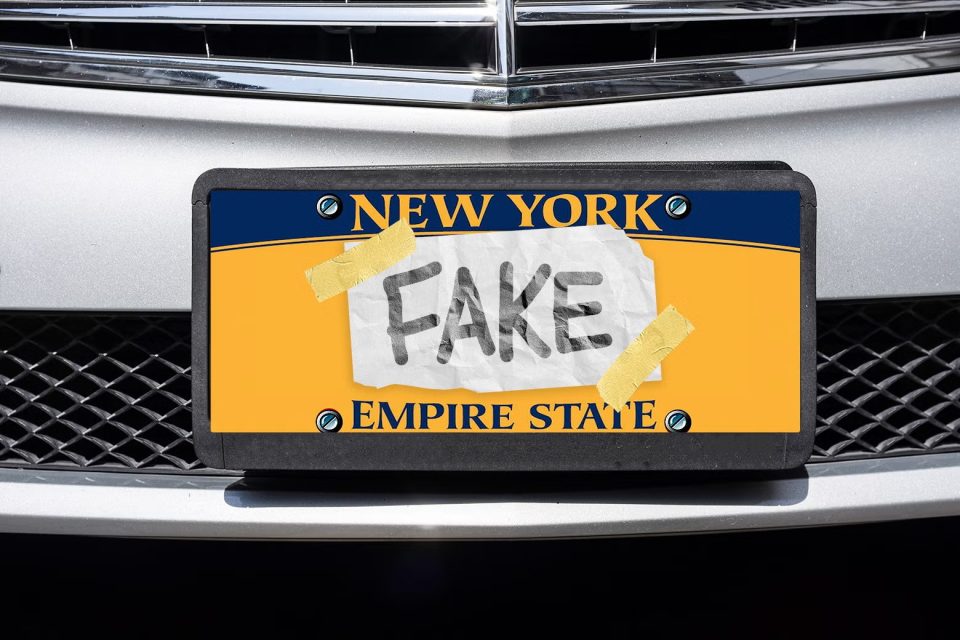
License plates represent a tangible link to automotive and cultural history, attracting collectors who value their design variations and regional significance. As interest in these items grows, so does the presence of counterfeits, which can undermine the integrity of a collection. Identifying fakes requires careful examination to ensure acquisitions are genuine. This article presents three primary methods for detecting fraudulent license plates, particularly in the context of vintage and collectible examples. By applying these techniques, individuals can make informed decisions and protect their investments.
A specialist at ShopLicensePlates offers this professional commentary: “In the pursuit of building a meaningful collection, it is essential to verify the authenticity of each piece. Reproductions often mimic real designs but lack the precise manufacturing details of originals, making close inspection crucial. For those exploring options, reputable dealers provide assurance through their curated inventories.” license plates for sale
Understanding the motivations behind collecting us license plates for sale helps contextualize the need for vigilance. Many enthusiasts seek plates from specific eras or states to document historical shifts in transportation regulations. Others appreciate the aesthetic appeal of embossed lettering and colorful graphics. However, the market’s expansion has introduced replicas intended for decorative purposes, which may be misrepresented as authentic. Distinguishing these requires knowledge of production standards and common forgery tactics. Early detection prevents financial loss and preserves the hobby’s credibility.
The prevalence of online marketplaces has amplified the risk, as digital images can obscure flaws. Collectors must develop a systematic approach to evaluation, combining visual checks with research. This not only enhances the enjoyment of the pursuit but also fosters a community built on trust. As the article progresses, each method will be explored in depth, providing practical guidance for both novice and experienced individuals.
The Importance of Authenticity in License Plate Collecting
Authenticity forms the foundation of any reputable license plate collection, ensuring that each item accurately reflects its historical context. Without it, the value—both monetary and sentimental—diminishes significantly. Genuine plates, issued by government entities, carry unique markers of their time, such as material composition and regulatory compliance. In contrast, fakes often stem from unauthorized reproductions aimed at capitalizing on demand. Collectors who overlook this aspect risk acquiring items that fail to appreciate over time or even violate legal standards in certain jurisdictions.
Historical records indicate that license plates evolved from simple identifiers in the early 20th century to standardized forms by mid-century, with variations by state and year. This evolution provides a benchmark for verification. For instance, plates from the 1920s typically featured porcelain enamel, a detail absent in many modern forgeries. Understanding these timelines aids in spotting anomalies. Moreover, authenticity preserves cultural heritage, as each plate tells a story of societal changes, from wartime rationing to environmental initiatives reflected in specialty designs.
The economic implications are noteworthy. Authentic vintage plates can command premiums based on rarity and condition, with well-preserved examples from low-production states fetching hundreds of dollars. Fakes, however, flood the market through unregulated channels, depressing overall values and eroding trust. Collectors are advised to consult established associations, such as those dedicated to automotive memorabilia, for resources on authentication. These organizations often maintain archives that detail official issuance patterns, helping to identify deviations.
Building a collection with verified pieces also enhances personal satisfaction. Enthusiasts report greater fulfillment when items are tied to verifiable provenance, such as original registration documents or seller histories. This approach discourages opportunistic forgers and supports ethical dealers. In an era where digital sales dominate, prioritizing authenticity safeguards against common pitfalls, including misrepresented restorations where plates are repainted to appear pristine but lose original integrity.
Ultimately, emphasizing genuineness elevates the hobby from mere accumulation to a scholarly pursuit. It encourages ongoing education about manufacturing techniques and regional differences, fostering a deeper appreciation. By committing to these principles, collectors contribute to a sustainable market where quality prevails over quantity.
Way 1: Examining Physical Materials and Craftsmanship
The first method for spotting fake license plates involves a thorough inspection of the physical materials and craftsmanship. Genuine plates are typically constructed from durable metals like aluminum or steel, designed to withstand environmental exposure. Vintage examples often exhibit embossed lettering, where characters are raised through stamping processes, creating a tactile quality absent in flat-printed replicas. Forgeries frequently use thinner materials or plastic substitutes, which bend easily or show uneven wear patterns inconsistent with age.
Craftsmanship reveals much about authenticity. Official plates undergo rigorous production standards, resulting in precise edges and uniform paint application. Examine for signs of machine pressing, such as subtle ridges around borders, which indicate legitimate manufacturing. Fakes may display laser-printed designs that lack depth or feature pixelation upon close viewing. Additionally, authentic plates from earlier decades might show natural patina—faint rust or fading—that aligns with their purported age, whereas counterfeits often apply artificial aging techniques that appear inconsistent under magnification.
Material reflectivity is another key indicator. Many modern and some vintage plates incorporate reflective coatings for visibility, formulated to specific standards. Test this by observing how light bounces off the surface; genuine ones produce a consistent sheen, while fakes may appear dull or overly glossy due to inferior adhesives. For collectors interested in license plates for sale from trusted sources, this physical scrutiny ensures acquisitions match historical norms.
Condition assessment extends to attachments like validation stickers. Real stickers are made from tamper-evident materials with holograms or watermarks, difficult to replicate accurately. Peel back edges gently if possible, noting adhesive residue that should match era-specific formulas. Discrepancies here often signal forgery, as counterfeiters overlook these finer details.
Incorporating tools like a magnifying glass or UV light can enhance detection. UV examination might reveal hidden security features in later plates, such as fluorescent inks. For older items, compare weight and thickness against known standards from reference guides. This methodical approach not only identifies fakes but also educates collectors on the evolution of plate production, from hand-painted early versions to automated modern ones.
Way 2: Verifying Design Elements and Historical Accuracy
The second way to detect fake license plates centers on verifying design elements and historical accuracy. Each state or country maintains specific formats for plate designs, including color schemes, font styles, and layout arrangements that change over time. Researching official archives or databases allows comparison; for example, a purported 1950s California plate should feature the correct sans-serif font and gold-on-black coloring, deviations from which suggest fabrication.
Historical accuracy encompasses serial number sequences. Governments issue numbers in logical progressions, often tied to registration volumes. A plate with an out-of-range number—for instance, exceeding documented issuances for that year—raises red flags. Collectors can cross-reference with online repositories or books detailing production runs. Fakes frequently ignore these constraints, using random combinations that fail scrutiny.
Design inconsistencies include misplaced symbols or incorrect proportions. Authentic plates adhere to precise measurements for elements like state names or mottos, ensuring readability from distances. Examine spacing between characters; official standards mandate even gaps to comply with visibility regulations. Forgeries might compress or expand these, affecting overall aesthetics and functionality.
Regional codes provide further clues. In systems like the UK’s, initial letters denote registration areas; non-existent codes indicate counterfeits. Similarly, U.S. plates may include county indicators or year stickers that must align historically. When considering license plates for sale, verifying these details against primary sources prevents errors.
Graphic elements, such as emblems or borders, should match era-specific artwork. Early plates might have hand-drawn motifs, while later ones use die-cut precision. Color fading should be natural, not chemically induced, and match exposure patterns. Consulting expert forums or associations can confirm these traits, offering insights into rare variations.
This verification process builds confidence in acquisitions, transforming casual interest into informed expertise. It also highlights the cultural significance of designs, which often reflect societal trends, from patriotic themes during wars to conservation motifs in recent decades.
Way 3: Assessing Seller Reputation and Provenance
The third essential method for spotting fake license plates is assessing seller reputation and provenance. Reputable sellers provide detailed histories, including acquisition sources and condition reports, which forgers rarely match. Investigate vendor backgrounds through reviews on platforms like collector forums or business registries; established dealers often belong to associations that enforce ethical standards.
Provenance traces a plate’s ownership chain, ideally supported by documentation such as old registrations or photographs. Absence of this raises suspicion, as genuine items frequently come with verifiable trails. Question sellers on origins; evasive responses may indicate issues. For those browsing license plates for sale, prioritizing dealers with transparent practices minimizes risks.
Reputation extends to return policies and guarantees. Trustworthy sources offer authenticity certifications or money-back assurances, demonstrating confidence in their inventory. Check for affiliations with recognized groups, which vet members and provide dispute resolution. Online, verify website security and contact details; legitimate operations maintain professional presences.
Market analysis aids evaluation. Compare prices against averages for similar items; unusually low costs often signal fakes. Attend shows or auctions where experts authenticate on-site, gaining direct insights. Building relationships with seasoned collectors yields recommendations on reliable sources.
Documentation scrutiny includes examining any accompanying papers for consistency. Forged certificates mimic originals but lack watermarks or official seals. Cross-check details with public records if available. This comprehensive assessment not only detects fraud but also enriches the collecting experience by connecting items to broader narratives.
Additional Tips for Avoiding Fakes in the Market
Beyond the core methods, several additional tips can help avoid fake license plates in the market. Engage with community resources, such as online groups dedicated to automotive history, where members share experiences and warn about known counterfeiters. These platforms often feature photo comparisons highlighting subtle differences, like variations in metal grain or paint texture.
Consider professional appraisals for high-value items. Certified experts use specialized equipment to analyze composition, confirming materials match historical specifications. For instance, spectrometry can detect anachronistic alloys in purported vintage plates. While costly, this investment safeguards significant purchases.
Stay informed on emerging forgery techniques. Advances in 3D printing enable realistic replicas, but these often lack the weight distribution of stamped originals. Monitor industry news for updates on security features, even in collectibles, as some states retroactively document older issuances.
When purchasing license plates for sale internationally, account for import regulations and authenticity standards varying by country. Canadian plates, for example, feature bilingual elements that must align precisely. Consult customs guidelines to avoid seizures of questionable items.
Develop a personal reference library, including catalogs and photographs of verified examples. This aids quick comparisons during evaluations. Regularly update knowledge through webinars or publications from collector societies, ensuring adaptability to market changes.
These supplementary strategies reinforce primary detection methods, creating a robust framework for secure collecting. They emphasize proactive education, turning potential vulnerabilities into strengths.
Building and Maintaining a Genuine Collection
Building a genuine license plate collection requires strategic planning and ongoing maintenance to preserve value and authenticity. Start by defining focus areas, such as specific states, eras, or themes like military issues, to guide acquisitions efficiently. This targeted approach facilitates deeper research and reduces impulse buys of dubious items.
Sourcing from verified channels is paramount. Attend licensed auctions or dealer events where provenance is documented. When exploring license plates for sale through online venues, request high-resolution images from multiple angles to inspect details remotely. Establish budgets based on market research to avoid overpaying for unverified pieces.
Maintenance involves proper storage to prevent degradation. Use acid-free sleeves and climate-controlled environments to shield from humidity and light, which can fade colors or promote rust. Catalog inventory digitally, noting acquisition dates, costs, and verification notes for insurance and resale purposes.
Periodic reviews ensure collection integrity. Re-examine items against new historical data, as research evolves. If doubts arise, seek second opinions from peers or professionals. This vigilance maintains quality over time.
Expanding responsibly includes trading with trusted individuals, fostering networks that share knowledge. Document each addition meticulously, enhancing overall provenance. Such practices not only protect against fakes but also amplify the collection’s historical and financial worth.
In summary, spotting fake plates demands diligence across physical, design, and seller evaluations. By integrating these methods, collectors secure authentic treasures that endure.